

Cholitas Wrestling, 2020, Lambda print on fine art Baryta paper in artist frame, cm 70 x 70
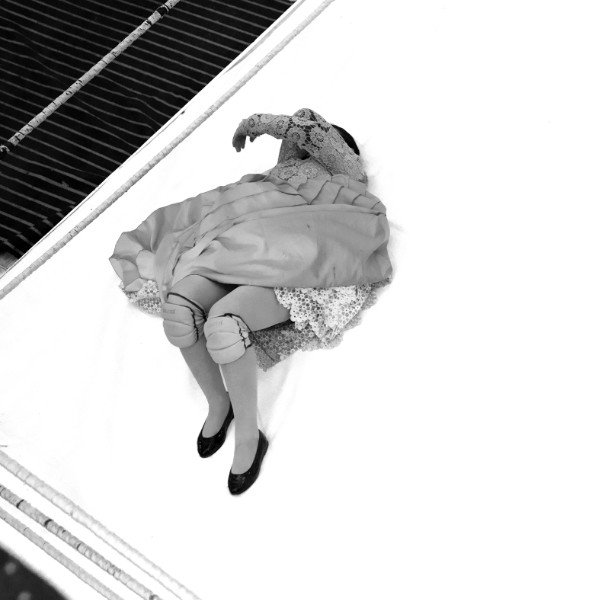
Cholitas wreastling, 2020, Lambda print on fine art baryta paper, cm 70x70
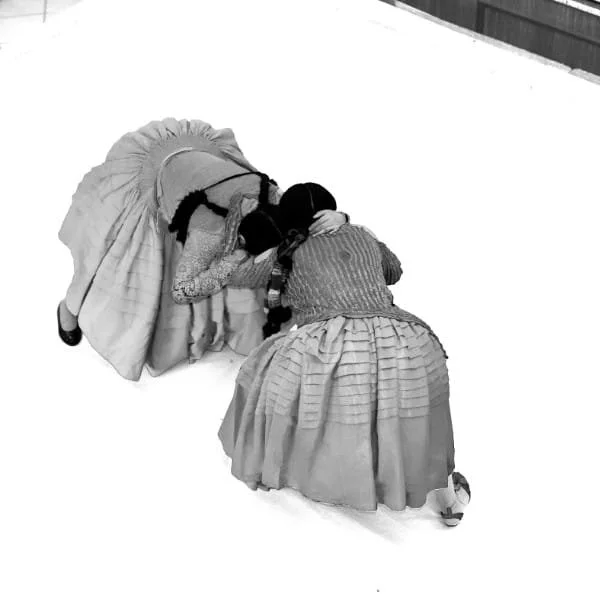
Cholitas wreastling, 2020, Lambda print on fine art baryta paper, cm 70x70
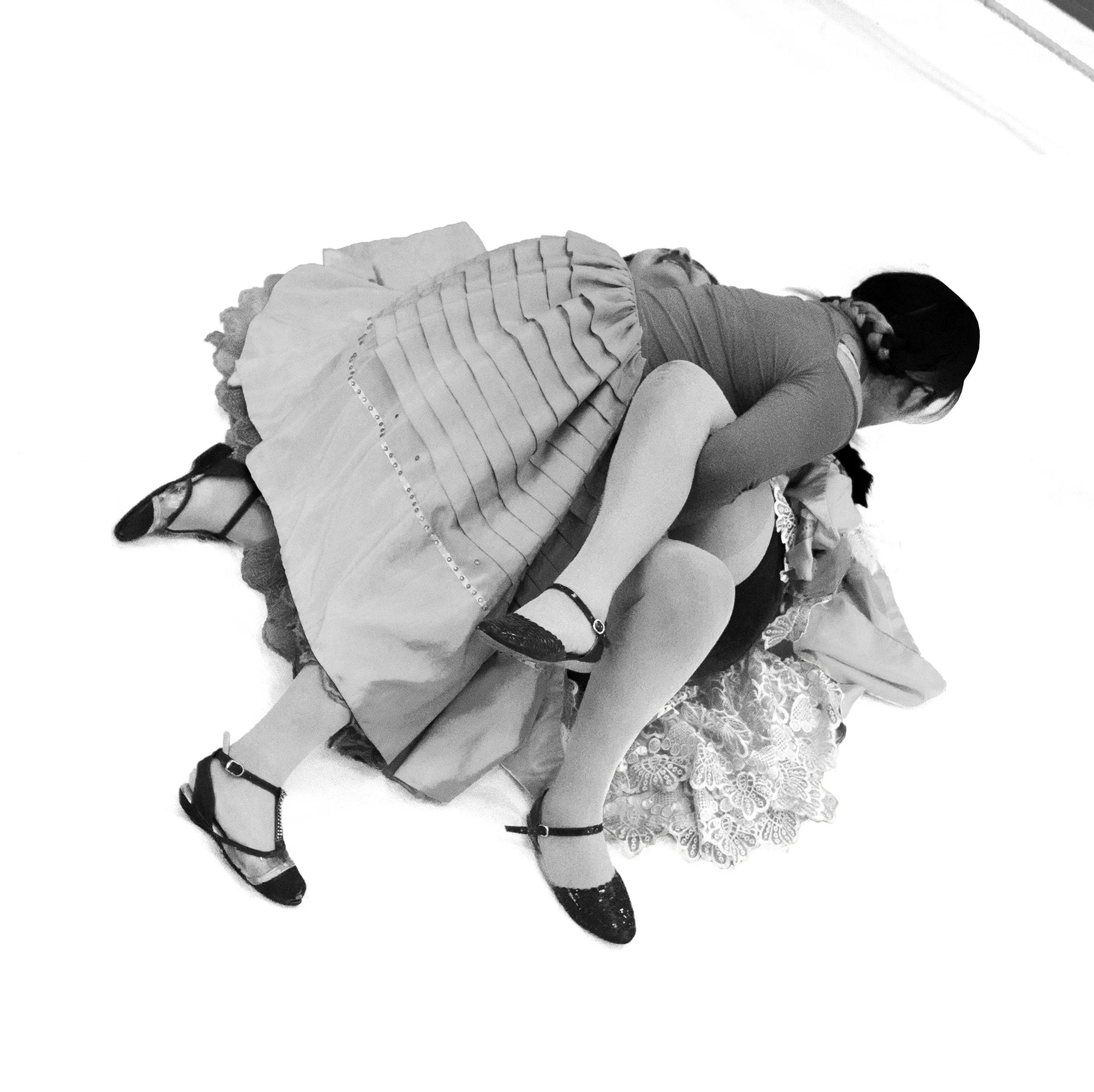
Cholitas wreastling, 2020, Lambda print on fine art baryta paper, cm 70x70
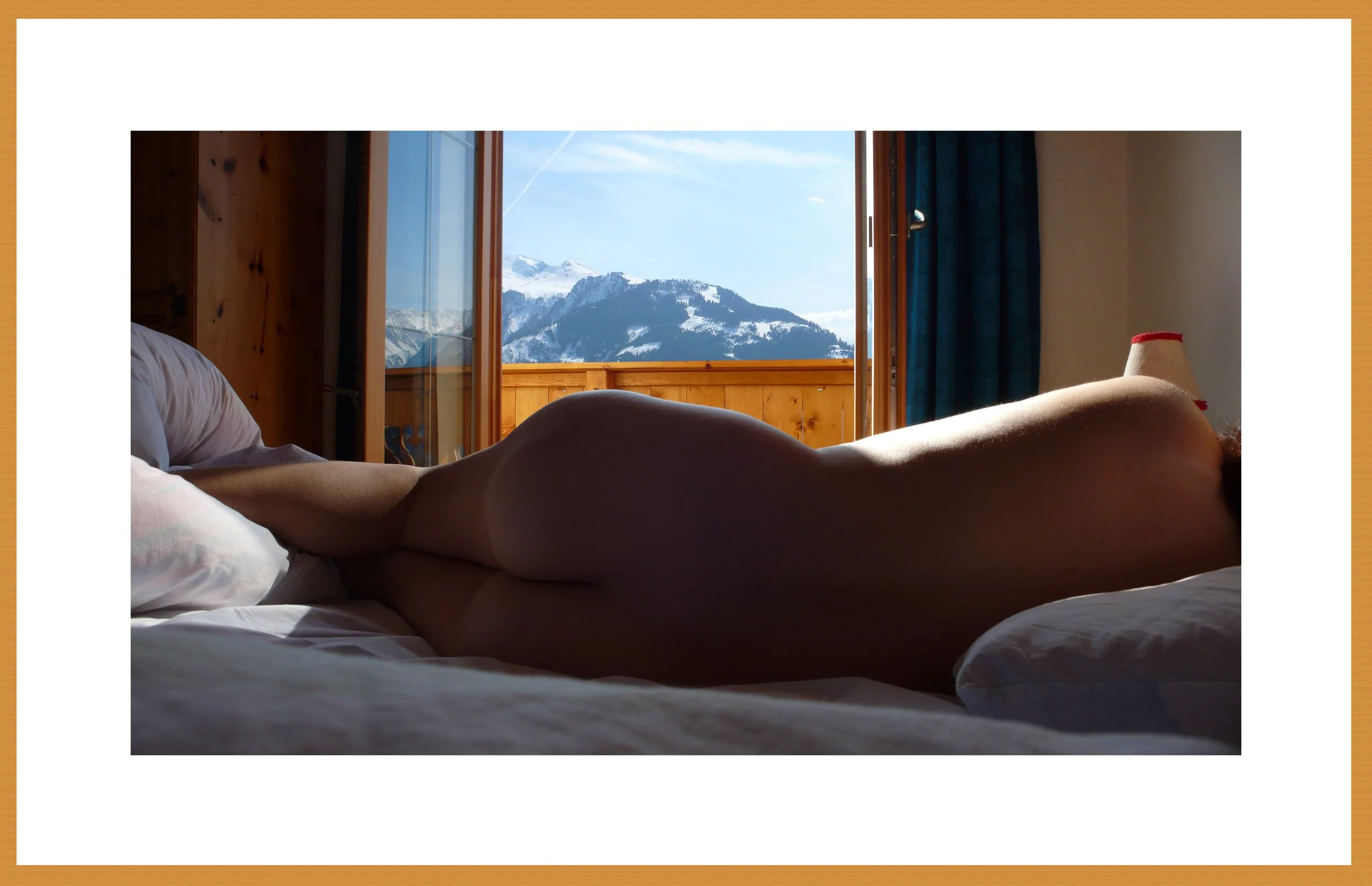
Anna Jermolaewa, Der Berg Ruft

Anna Jermolaewa, RIBS 2022 x-ray film recorded albums, cm 113 x 96 x 12

Anna Jermolaewa, THANK YOU, photograph on aluminium, cm 40 x 50

Anna Jermolaewa, RIBS, x-ray film, 2024

Anna Jermolaewa, Rehearsal "Swan Lake", 2024, cm 100x70
ANNA JERMOLAEWA
Nata a Leningrado, alla fine degli anni '80 Jermolaewa è stata coinvolta nel partito di opposizione Unione Democratica ed è stata coredattrice di uno dei giornali settimanali samizdat del partito. Nel 1989, lei e l'allora marito furono presi di mira dal KGB e dovettero fuggire dall'Unione Sovietica. Hanno ottenuto asilo politico in Austria, dove negli ultimi trentacinque anni Jermolaewa ha sviluppato un corpo di opere che, pur essendo concettuali, toccano la poesia della vita quotidiana.
“Cholitas Wrestling”
Dagli anni '50, il wrestling è diventato popolare in Bolivia. Quattordici anni fa, il "Cholita Wrestling" è nato come un modo per le donne che soffrono di violenza domestica di esprimere la loro frustrazione e liberarsi dallo stress. Dopo che l'atto ha ottenuto pubblicità, ha anche fornito un'opportunità per le lottatrici di fare soldi. Molte cholitas provengono da famiglie povere e/o distrutte e il wrestling è un modo per loro di migliorare in modo indipendente la loro vita e quella della loro famiglia. Tuttavia, molto più di un semplice intrattenimento e profitto, il "Cholita Wrestling" è un modo per le donne boliviane di mostrare il loro valore in un "mondo di uomini”. Sul ring, le donne indigene tengono la testa alta e svolgono il loro lavoro con orgoglio.
Born in Leningrad, Jermolaewa became involved in the opposition Democratic Union party in the late 1980s and co-edited one of the party's samizdat weekly newspapers. In 1989, she and her then-husband were targeted by the KGB and had to flee the Soviet Union. They were granted political asylum in Austria, where over the past thirty-five years Jermolaewa has developed a body of work that, while conceptual, touches on the poetry of everyday life.
"Cholitas Wrestling"
Professional wrestling has become popular in Bolivia since the 1950s. Fourteen years ago, "Cholita Wrestling" began as a way for women suffering from domestic violence to express their frustration and relieve stress. After the act gained publicity, it also provided an opportunity for female wrestlers to earn money. Many cholitas come from poor and/or broken families, and wrestling is a way for them to independently improve their lives and that of their families. However, much more than just entertainment and profit, "Cholita Wrestling" is a way for Bolivian women to demonstrate their worth in a "man's world." In the ring, indigenous women hold their heads high and perform their work with pride.