PARALLEL FLOWS
Serse | Jingge Dong
26.09.2026 - 28.11.2026
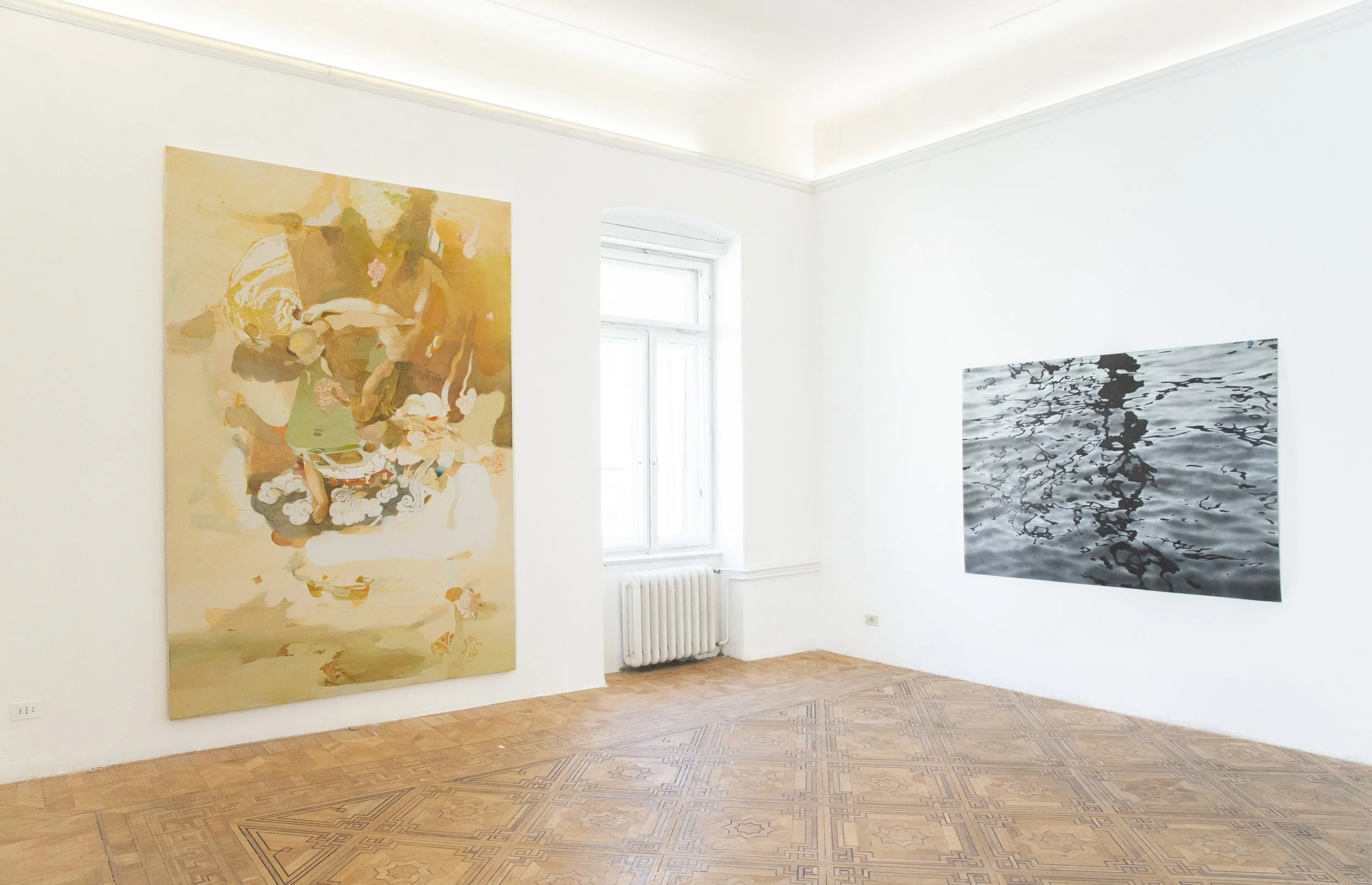
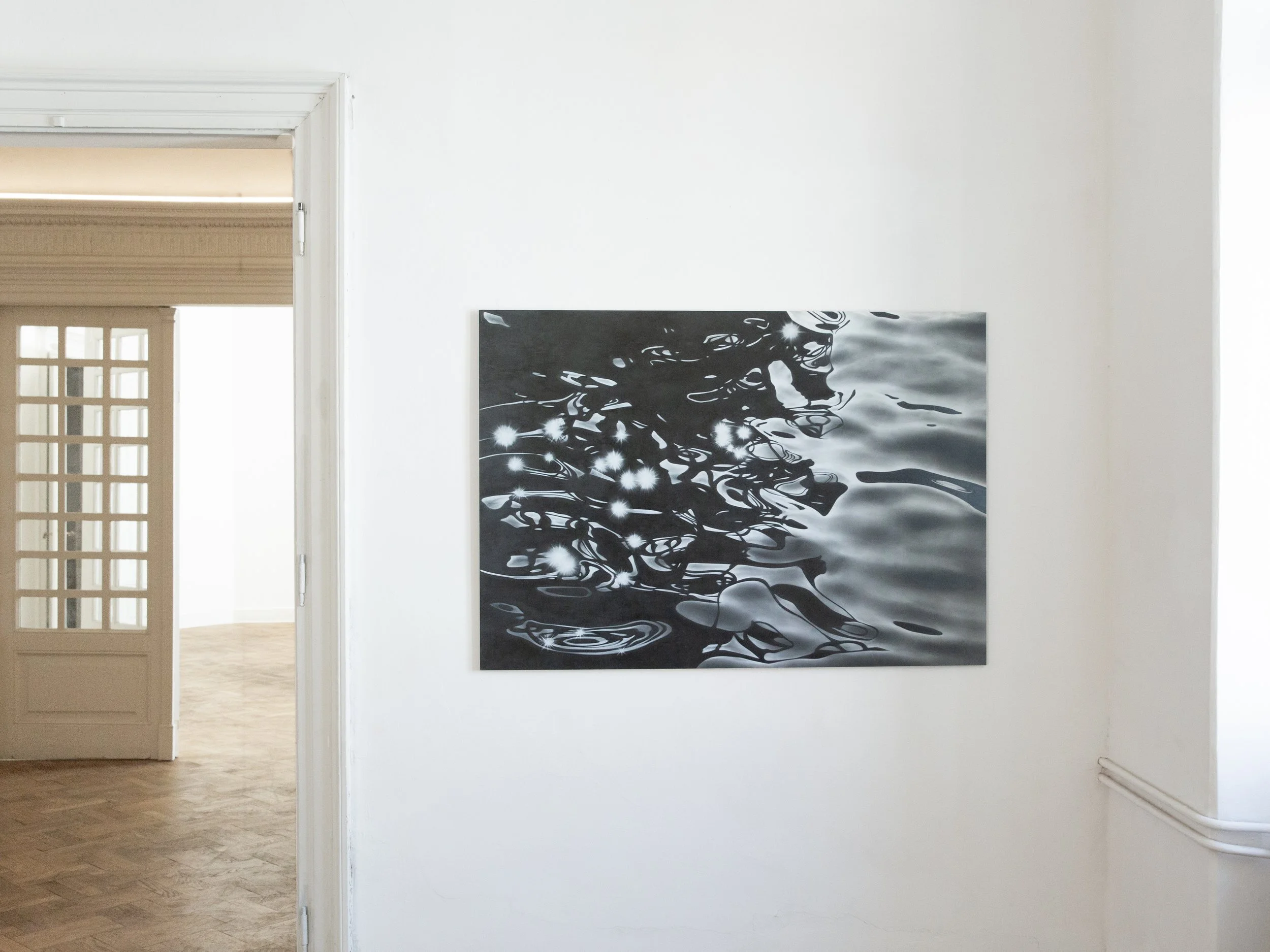
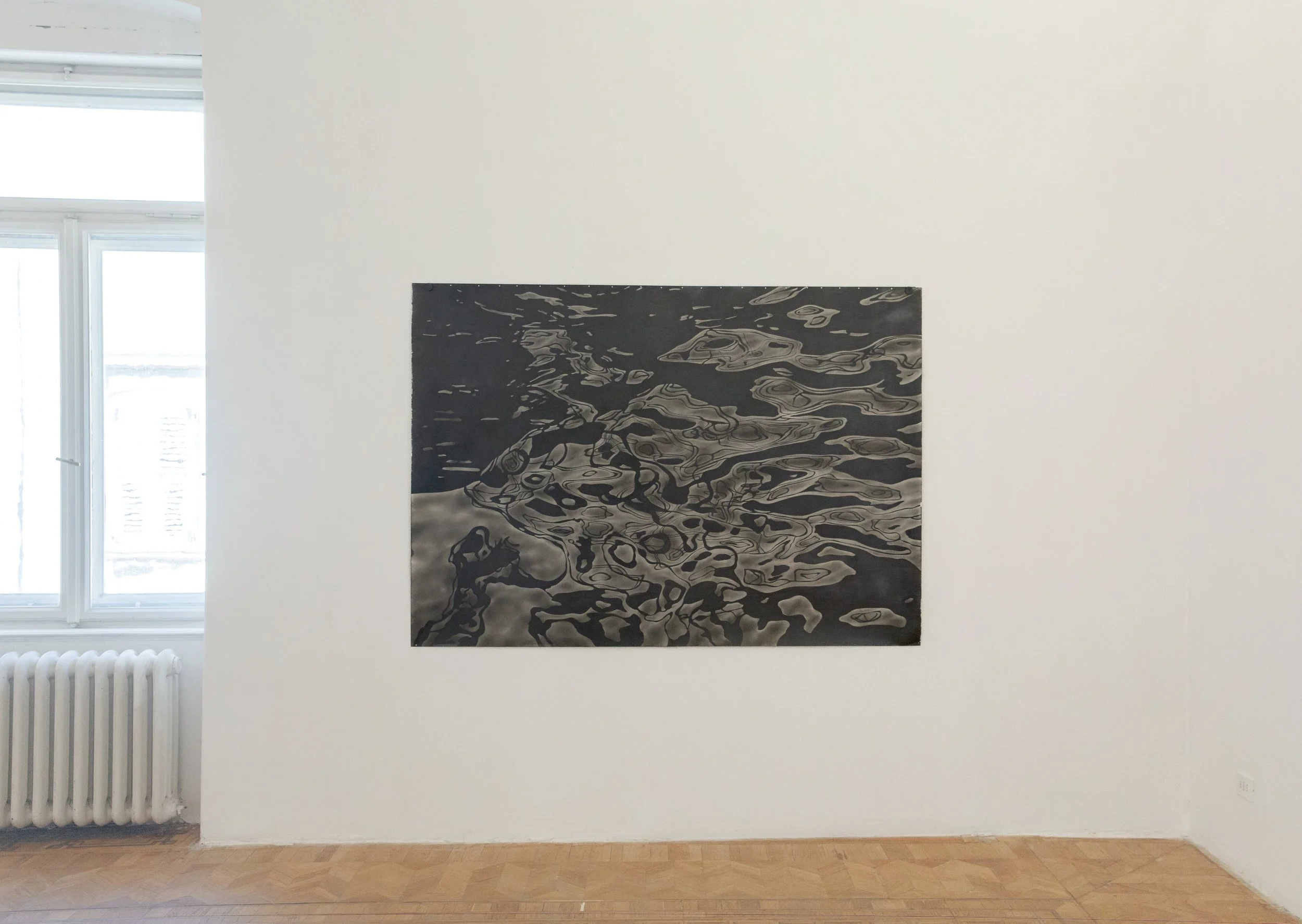
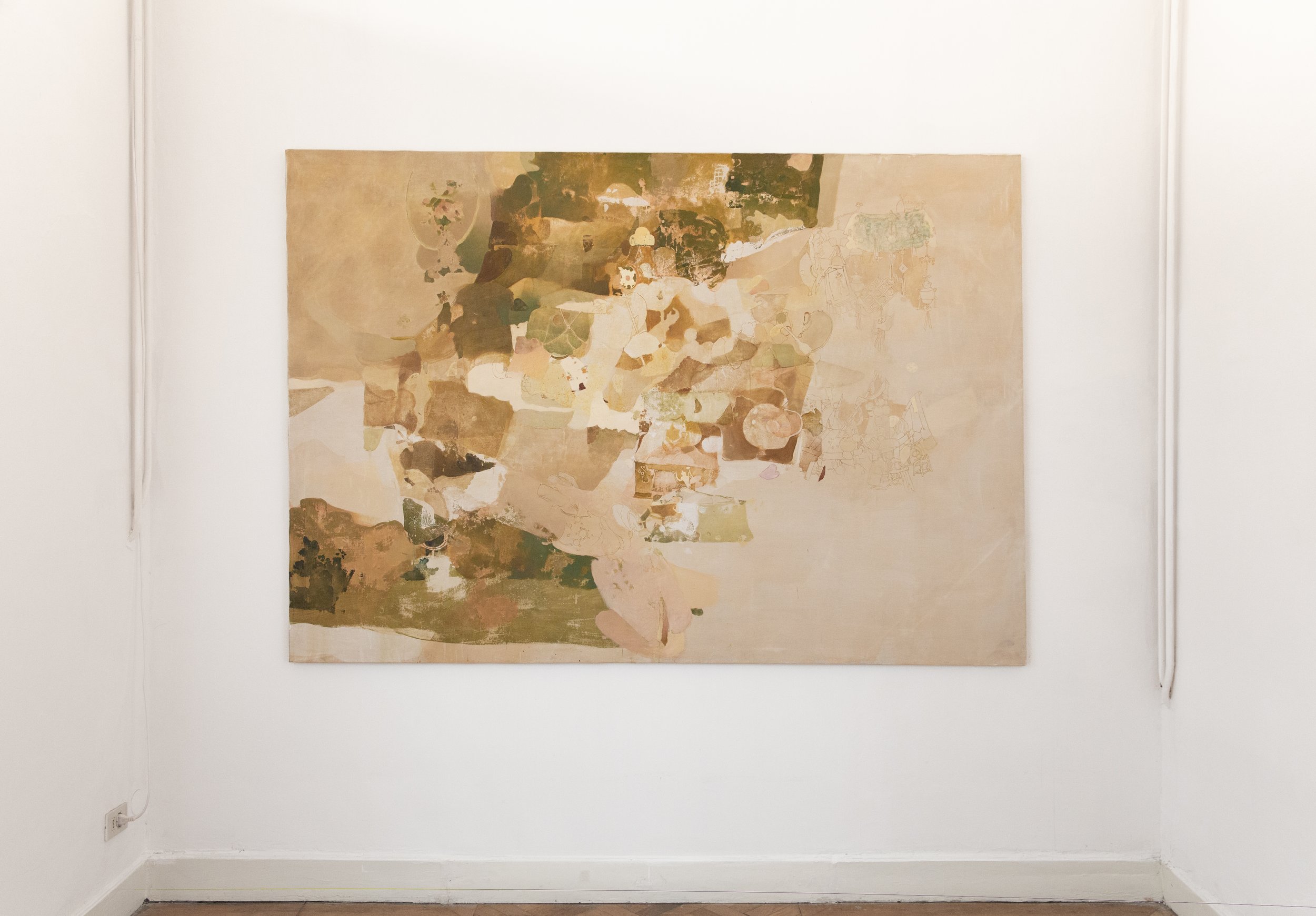
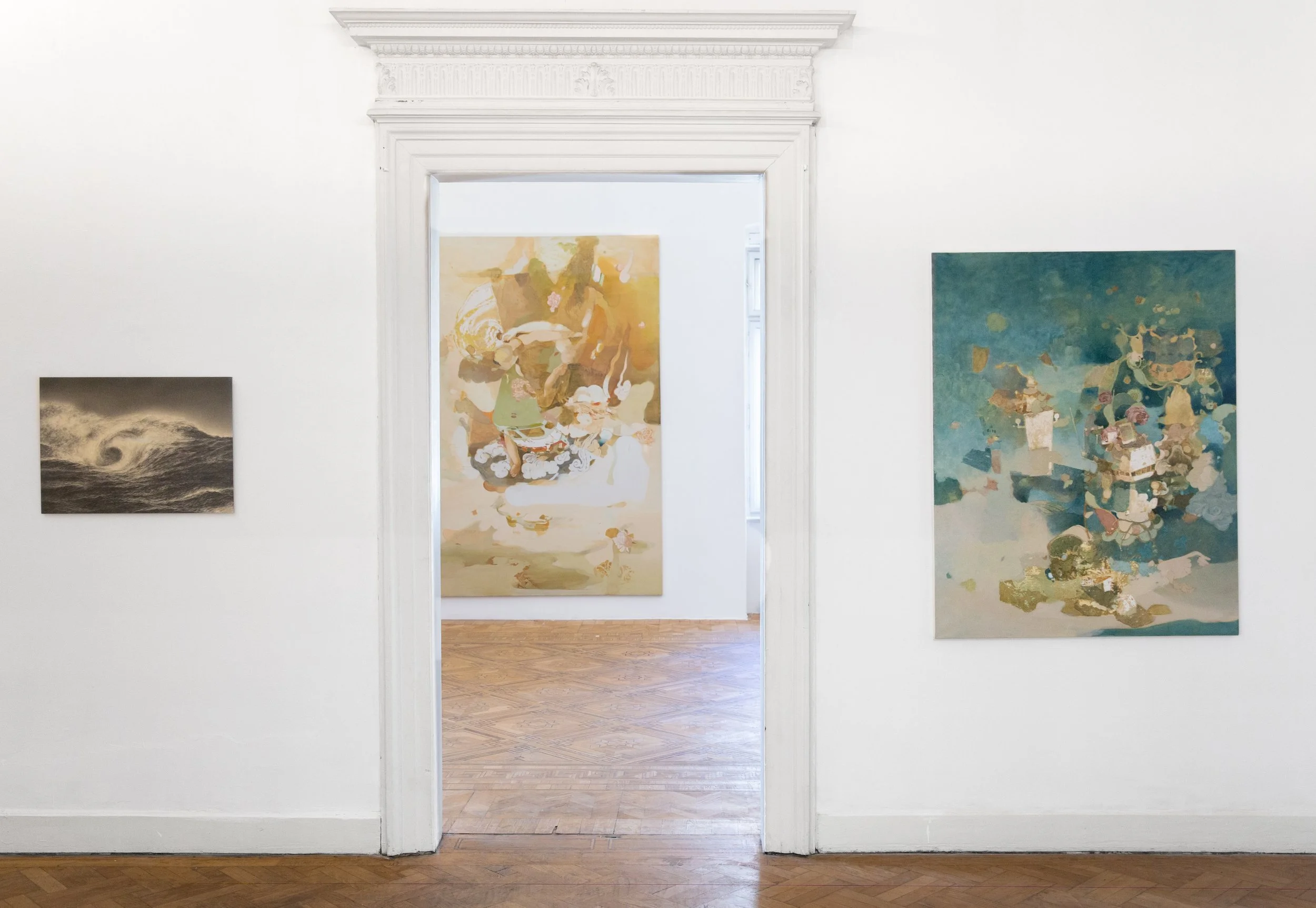
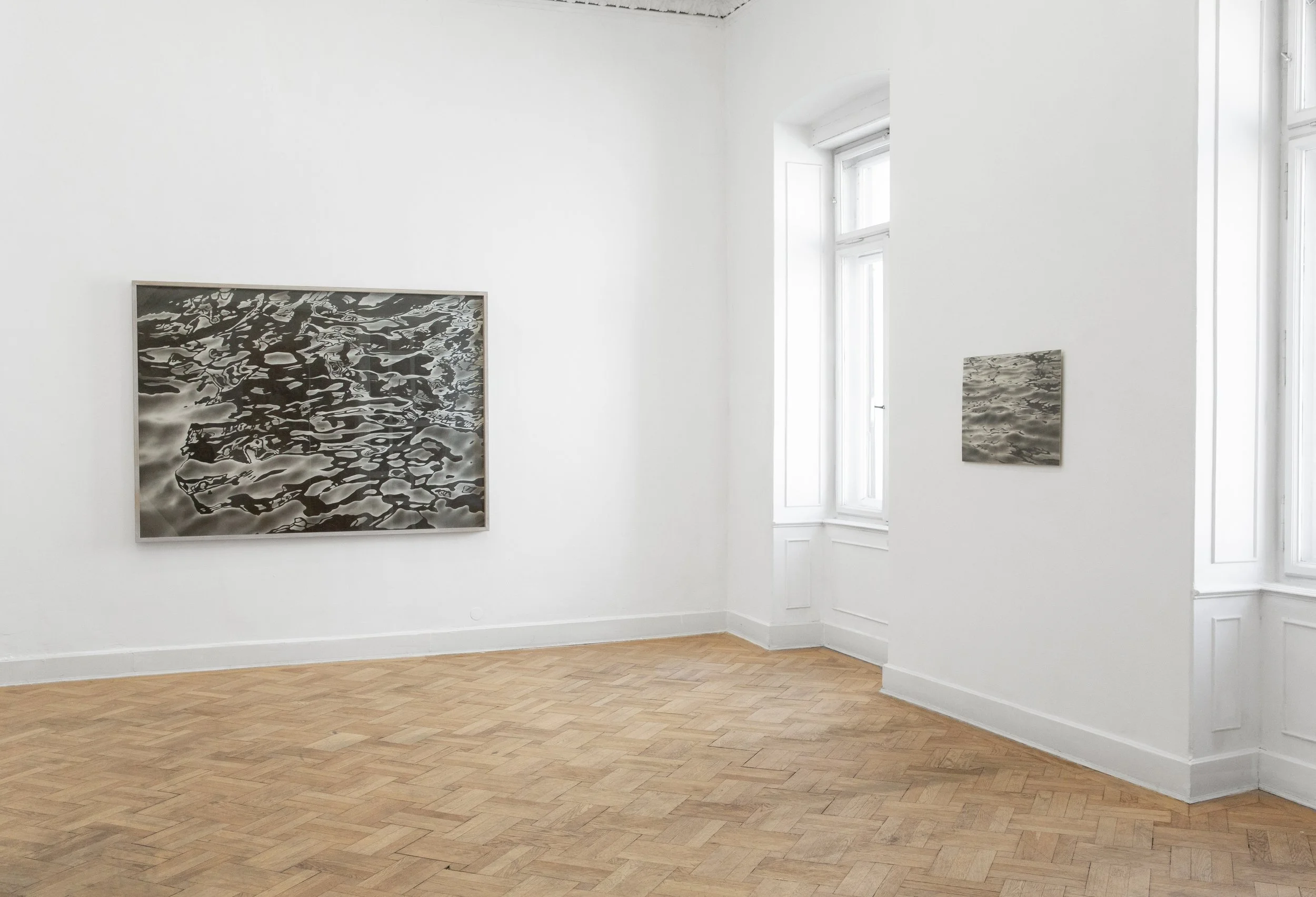
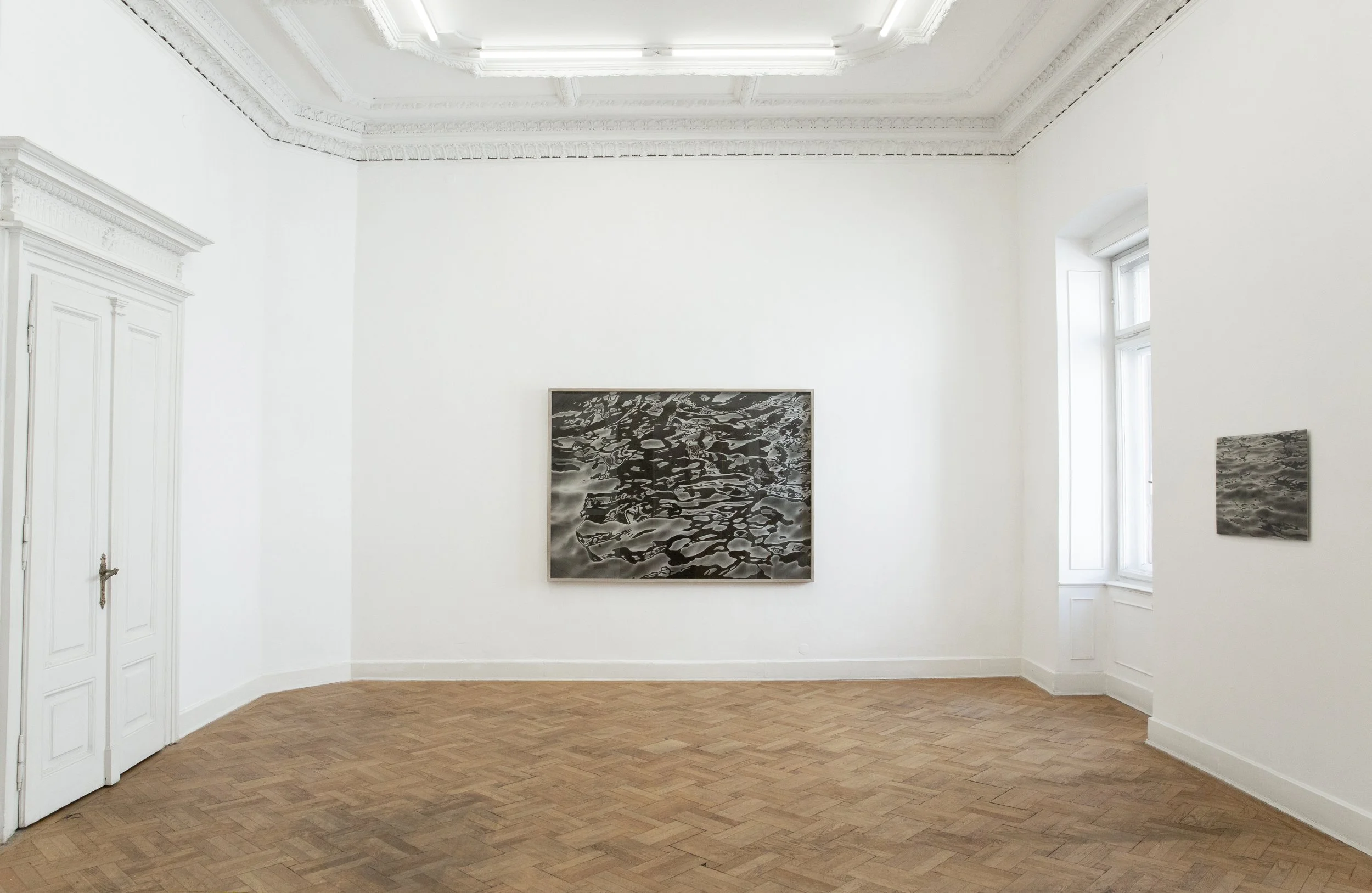
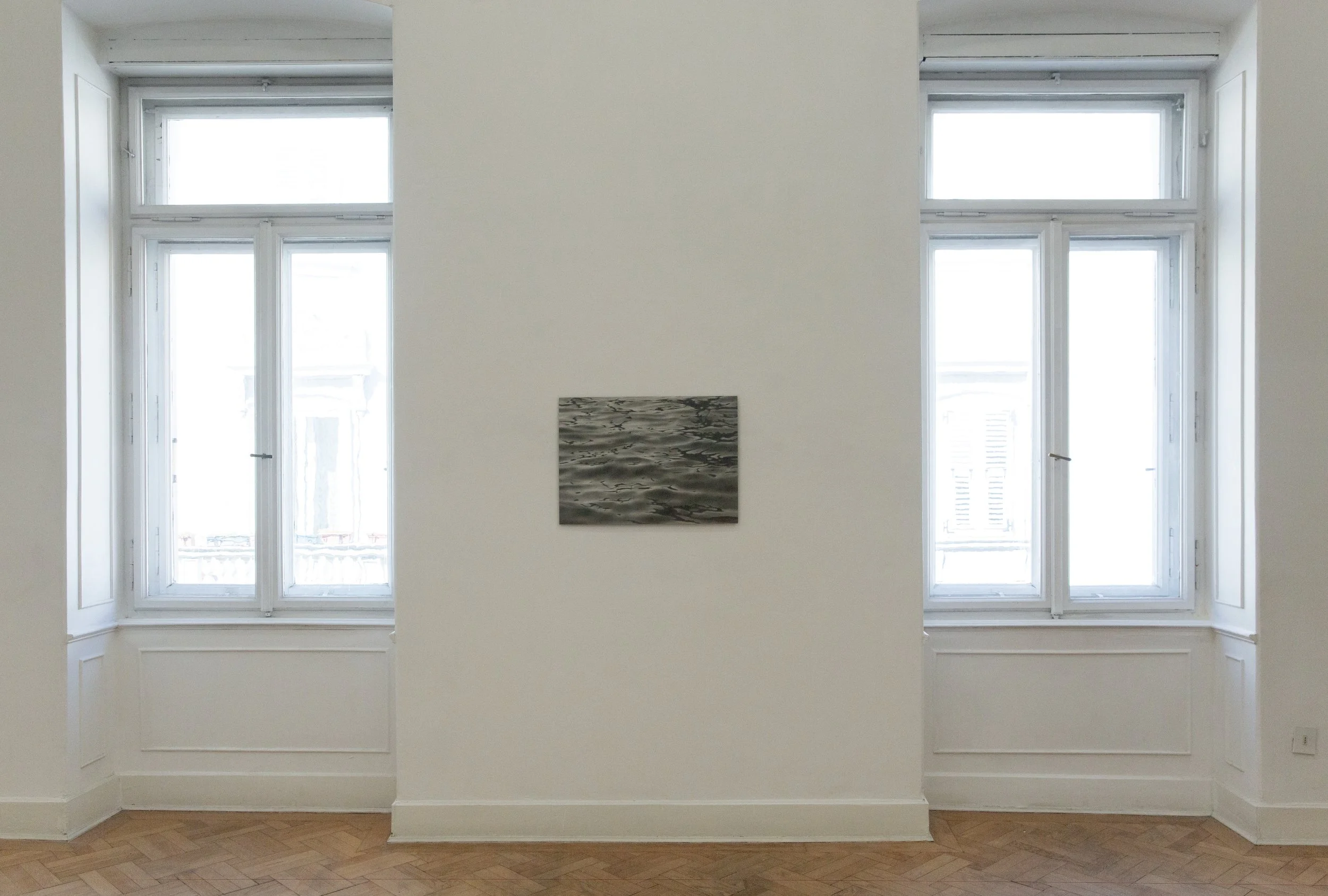
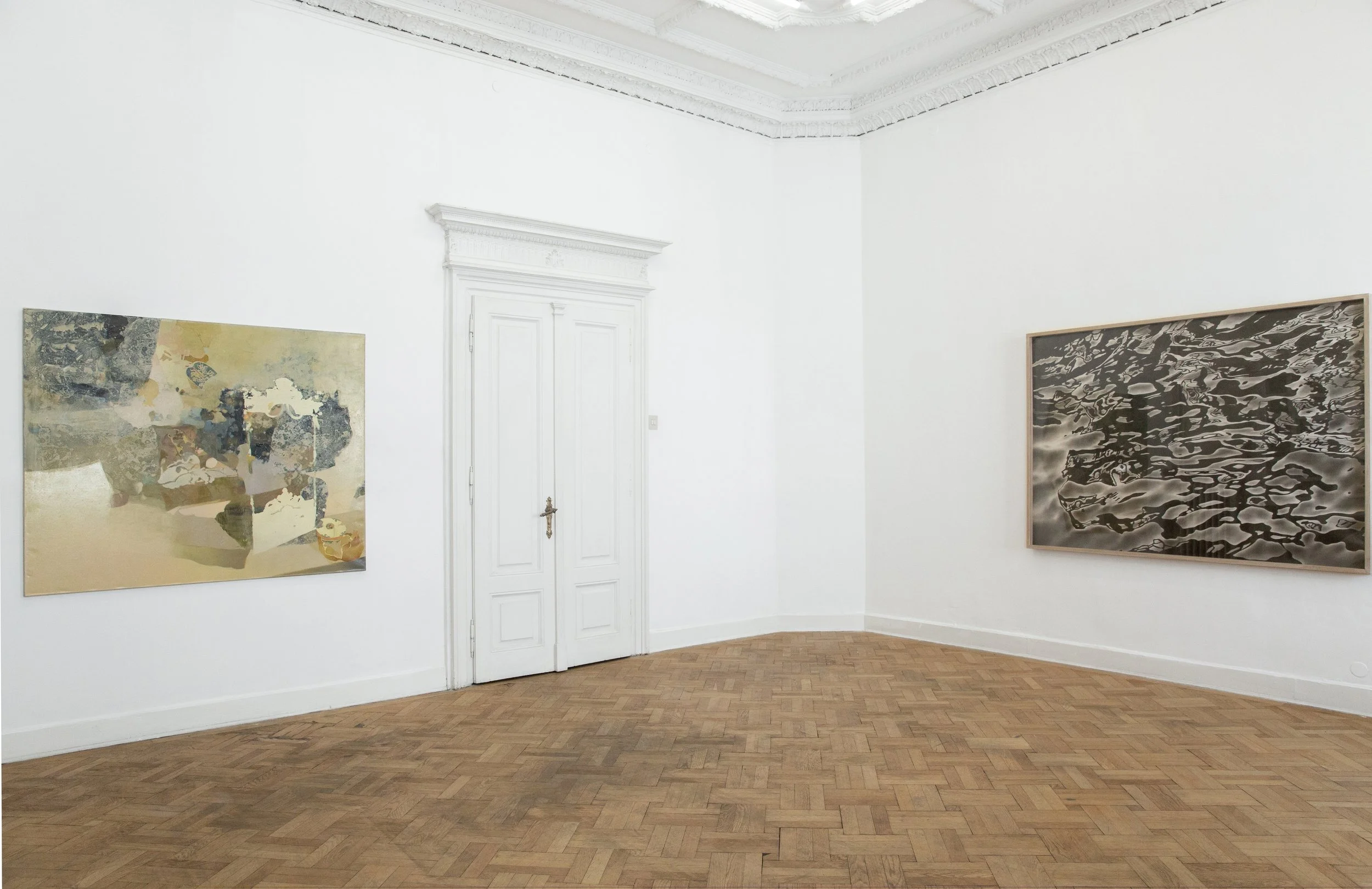
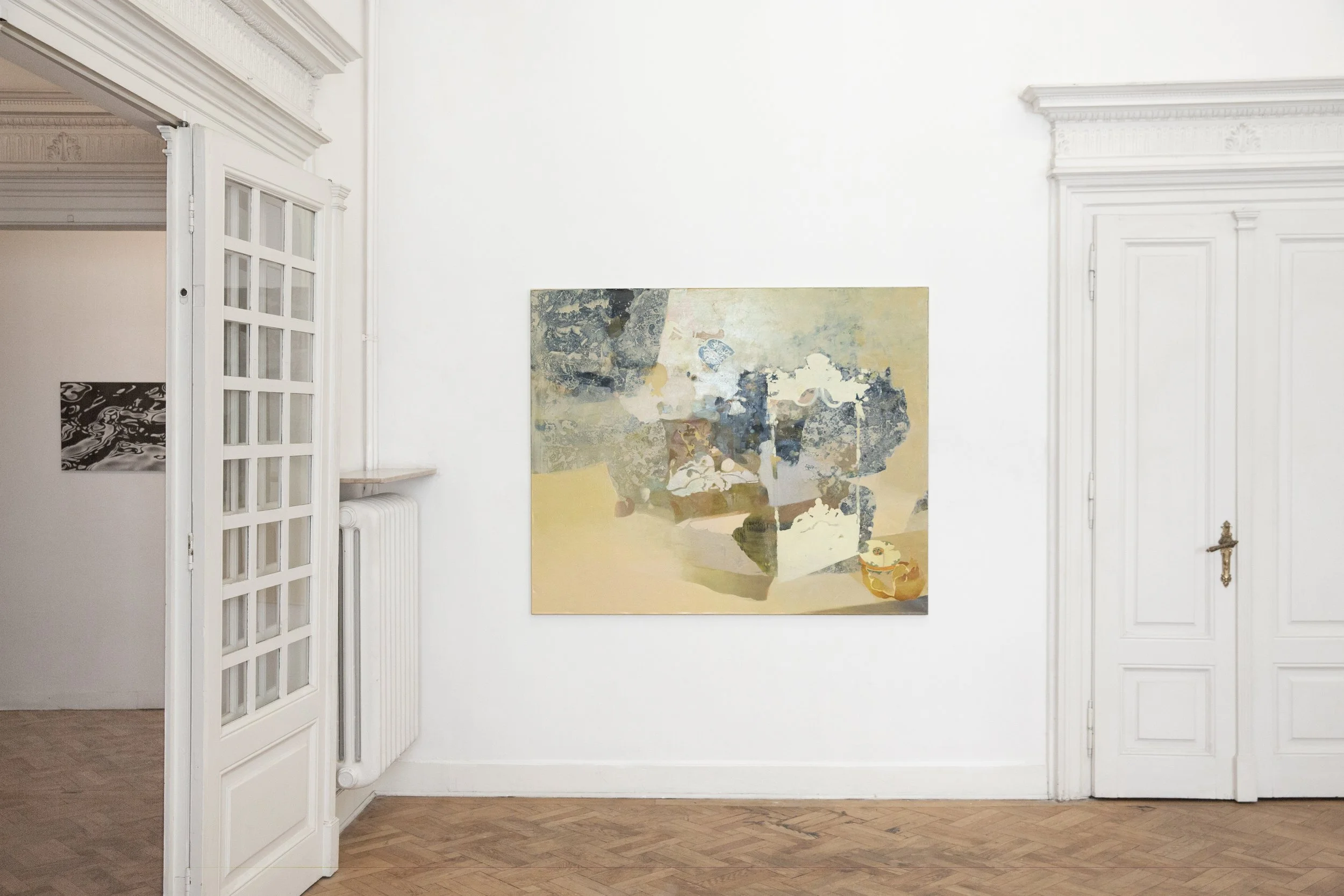
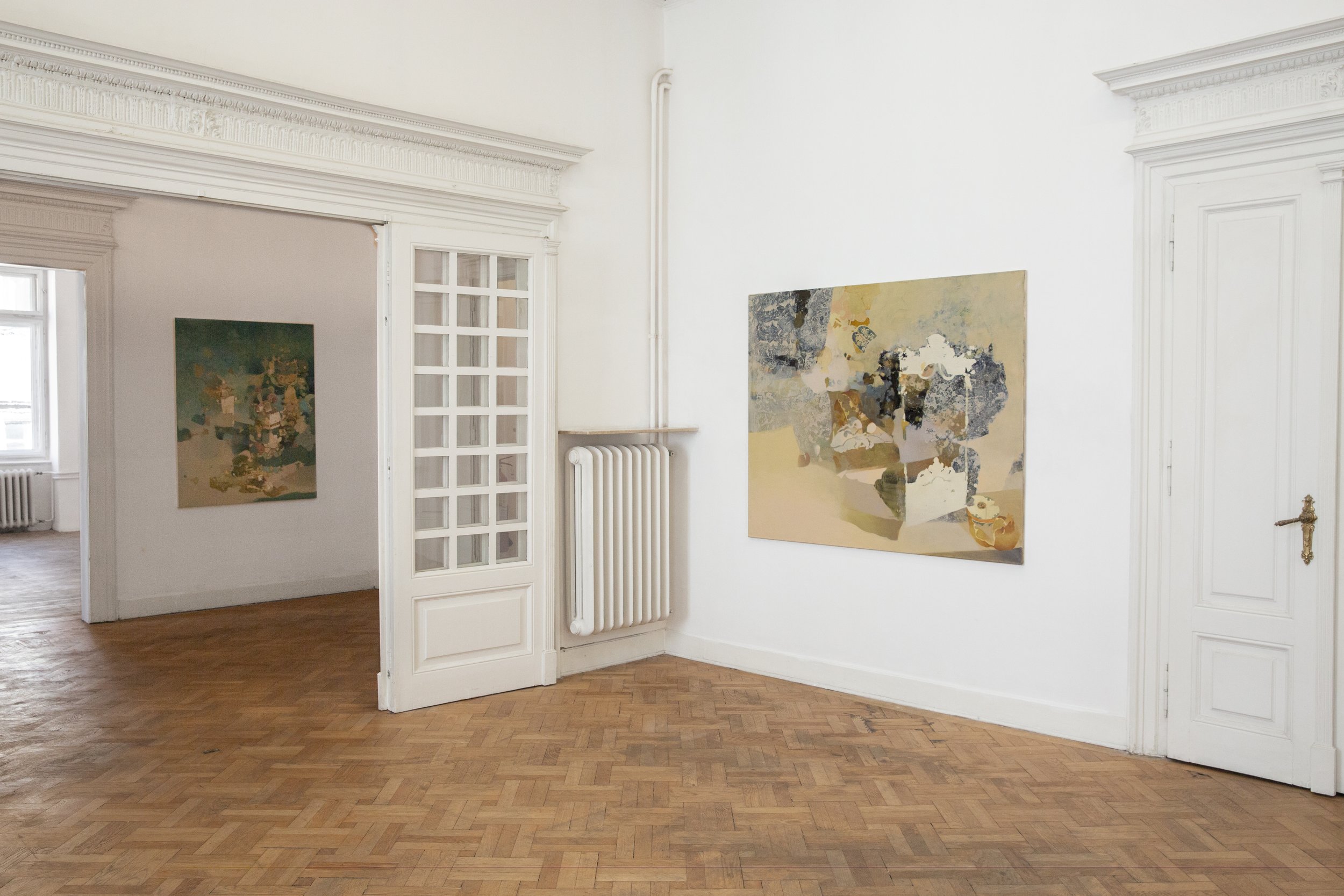
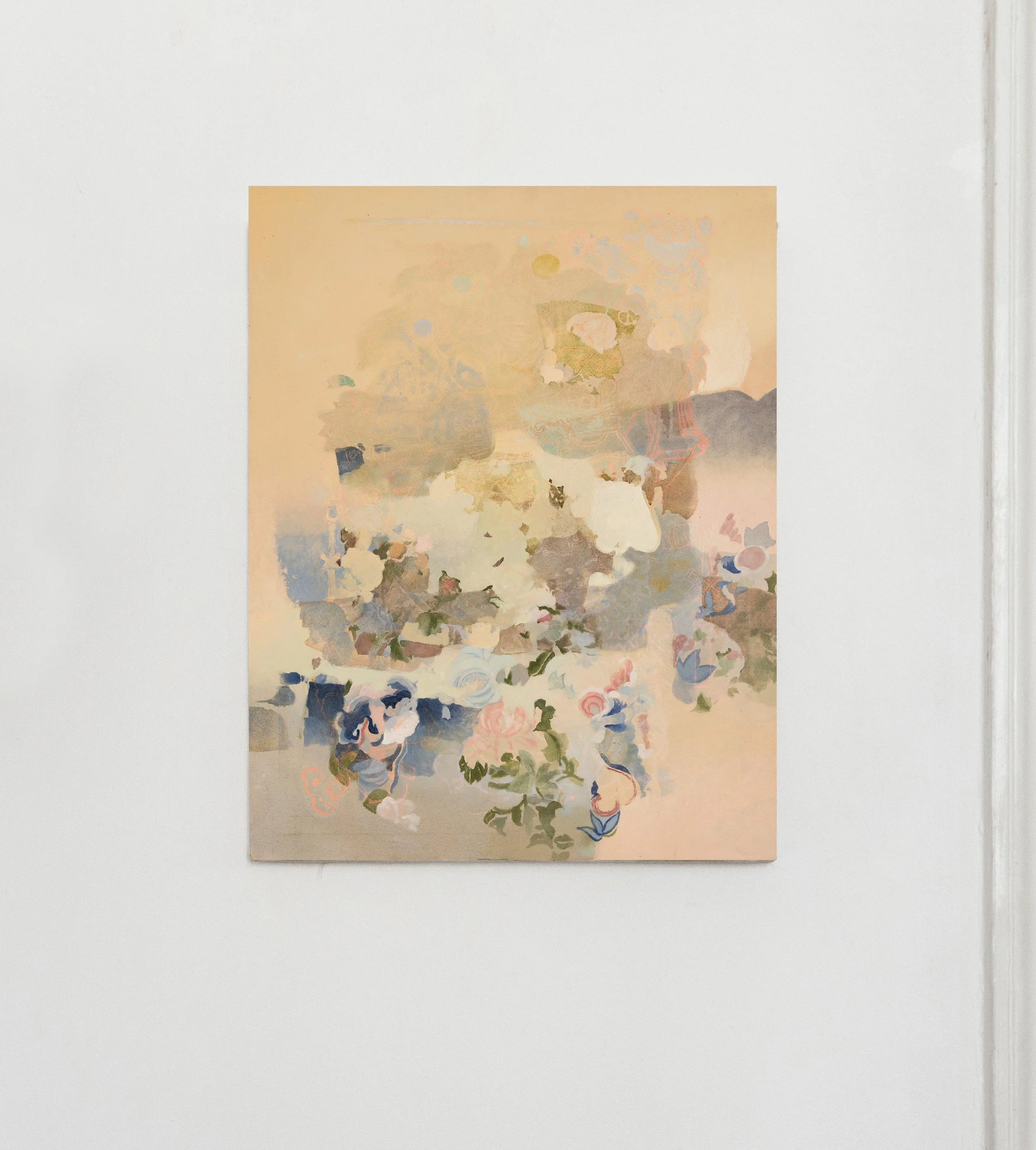
La mostra Parallel Flows mette in dialogo la ricerca dell'artista italiano Serse Roma (1952, San Polo di Piave, IT), con la pratica pittorica di Jingge Dong (1989, Beijing, CN), cinese, attivo tra Venezia e la Cina, esplorando l'apparente paradosso della rappresentazione oggettiva attraverso la lente di due tradizioni culturali distinte.
Da un lato, lo sguardo occidentale si misura storicamente con il pensiero concettuale, la precisione visiva e lo studio della materia rappresentata; dall'altro, la sensibilità orientale risponde con una resa estetica che nasce dal valore del vuoto e da un'armonia millenaria tra segno e spazio. Per entrambi gli artisti, rappresentare la realtà non significa limitarsi a una riproduzione meccanica, ma decodificare la rappresentazione per restituirne l'essenza più profonda.
Le opere in mostra si muovono così come flussi paralleli: due percorsi visivi autonomi che non si sovrappongono, ma che corrono nella stessa direzione. Il risultato è un confronto ravvicinato che scardina l'idea di un'oggettività universale, dimostrando come la restituzione delle cose sia, in verità, una complessa e affascinante costruzione culturale.
La mostra è parte del calendario di Barcolana Cultura 2026, il cui manifesto è realizzato dall’artista Serse Roma.
The exhibition Parallel Flows brings into dialogue the research of Italian artist Serse Roma (1952, San Polo di Piave, Italy) and the painterly practice of Jingge Dong (1989, Beijing, China), a Chinese artist working between Venice and China. The exhibition explores the apparent paradox of objective representation through the lens of two distinct cultural traditions.
On the one hand, the Western gaze has historically engaged with conceptual thought, visual precision, and the study of represented matter; on the other, Eastern sensibility responds with an aesthetic expression rooted in the value of emptiness and in a millennia-old harmony between mark and space. For both artists, representing reality does not mean limiting themselves to mechanical reproduction, but rather decoding representation in order to reveal its deeper essence.
The works in the exhibition thus move like parallel flows: two autonomous visual paths that do not overlap, yet run in the same direction. The result is an intimate dialogue that challenges the notion of a universal objectivity, demonstrating how the rendering of things is, in fact, a complex and fascinating cultural construct.
The exhibition is part of the Barcolana Cultura 2026 calendar; the event's poster was created by artist Serse Roma.